1. Stay out and call
Keep everyone out of the space and do not touch what you see. The team asks a few questions to plan the job.
Silver Spring, MD · Montgomery County
Worried about what a few pipes and baggies might have left on the floors and furniture? Call (877) 812-4220 in Silver Spring. Cleanup crews remove the items and treat surfaces where residue may remain.
If anyone is in danger, call 911 first. For a suicide crisis, call or text 988.
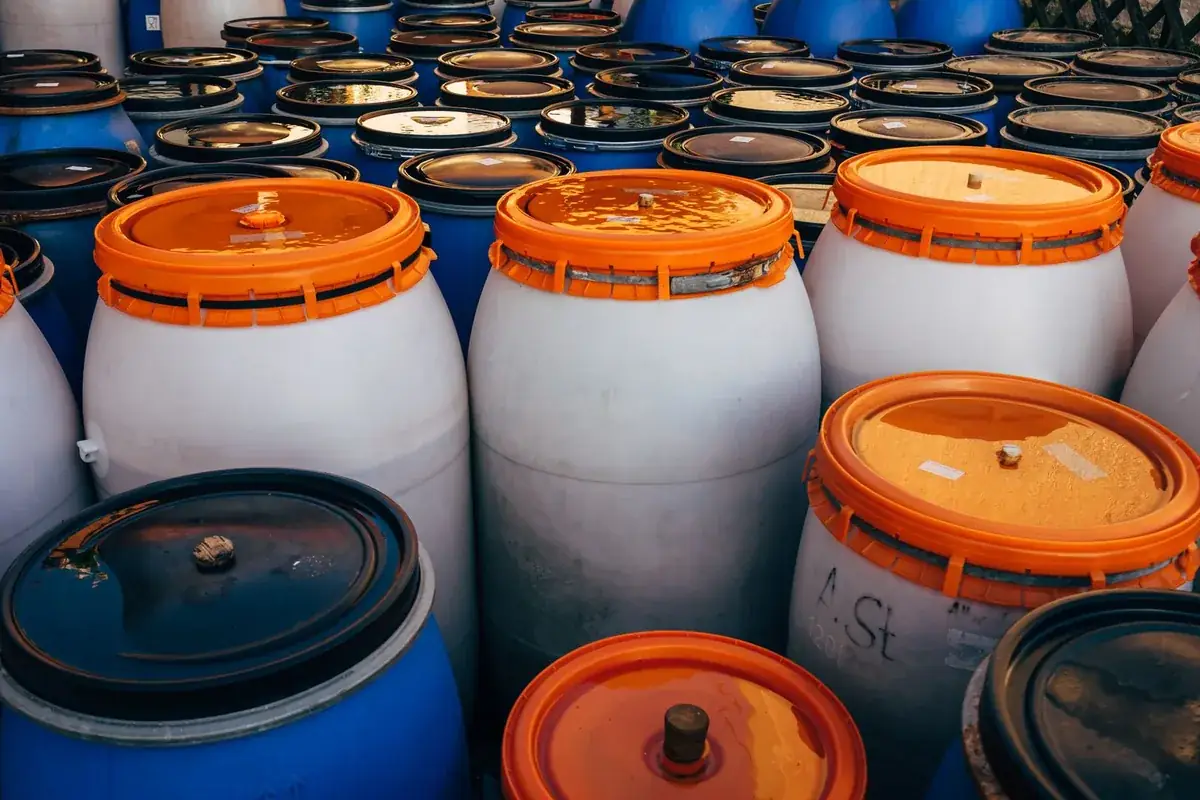
Paraphernalia removal is the first half of a drug use cleanup. Sharps go into puncture-resistant containers, other items are bagged and sealed, and everything is taken away as regulated waste.
If you are a landlord, property manager or family member in Silver Spring facing items left behind after drug use, call Silver Spring Biohazard Cleanup Help. The crew is discreet, explains each step and leaves your property clean and checked across Montgomery County.
Renters make up about 62% of households in Silver Spring, so landlords often need paraphernalia cleared between tenants. If anyone is unresponsive or hurt, call 911. The nearest emergency room to Silver Spring is Suburban Hospital in Bethesda, about 4 miles away.
What drug paraphernalia cleanup covers:
Keep everyone out of the space and do not touch what you see. The team asks a few questions to plan the job.
Crews put on gloves, eye protection and respirators when needed, then search every room for sharps and other items.
Contaminated materials are bagged and carried out. Rebuilding or replacing them can wait until the space is clean.
The team removes the waste and shares what was done so the owner can keep it on file.
The cost of drug paraphernalia cleanup in Silver Spring, MD depends on the amount of material, how it is packed and how it is hauled.
Disposal of sharps and contaminated materials as regulated waste is part of the price, and it changes with the amount.
| Type of job | Typical range |
|---|
Published ranges only (); every drug paraphernalia cleanup job in Silver Spring is priced after an on-site look. Price drivers include amount of material, whether residue is present, surfaces affected, waste disposal. Questions? Call (877) 812-4220.
It is safer not to. You often cannot tell what an item or residue is, and hidden sharps are a risk. Do not mix cleaning products. A cleanup team has the protective gear and containers to do it safely, without judgment.
Standard paraphernalia cleanup is about removal, cleaning and disinfection. Testing is a separate step, usually tied to a site where drugs were made. Ask the team and the local health department what testing, if any, applies to your property.
It can. Powders and stains may stay on floors, furniture, bedding and in vents after the items are gone. That is why a team cleans and disinfects the surfaces and removes soft materials that cannot be cleaned. Ask what the plan covers.
Do not touch, sweep or smell it, and do not try to clean it up first. Keep children and pets away. If anyone touched or swallowed it, call Poison Control, or 911 in an emergency. Then call a cleanup team to remove it safely.
It can. Once soiled items are removed, a team can treat lingering odor in the air and on surfaces. Ask what methods the team uses and whether odor treatment is part of the plan or a separate step.
Crews wear protective gear, remove sharps and loose items, and then clean hard surfaces with EPA-registered disinfectants. Porous materials such as carpet, padding or upholstery that took in residue may be removed. The team can explain what applies to your space.
Stay out of the space and let a cleanup team handle it.
Call (877) 812-4220